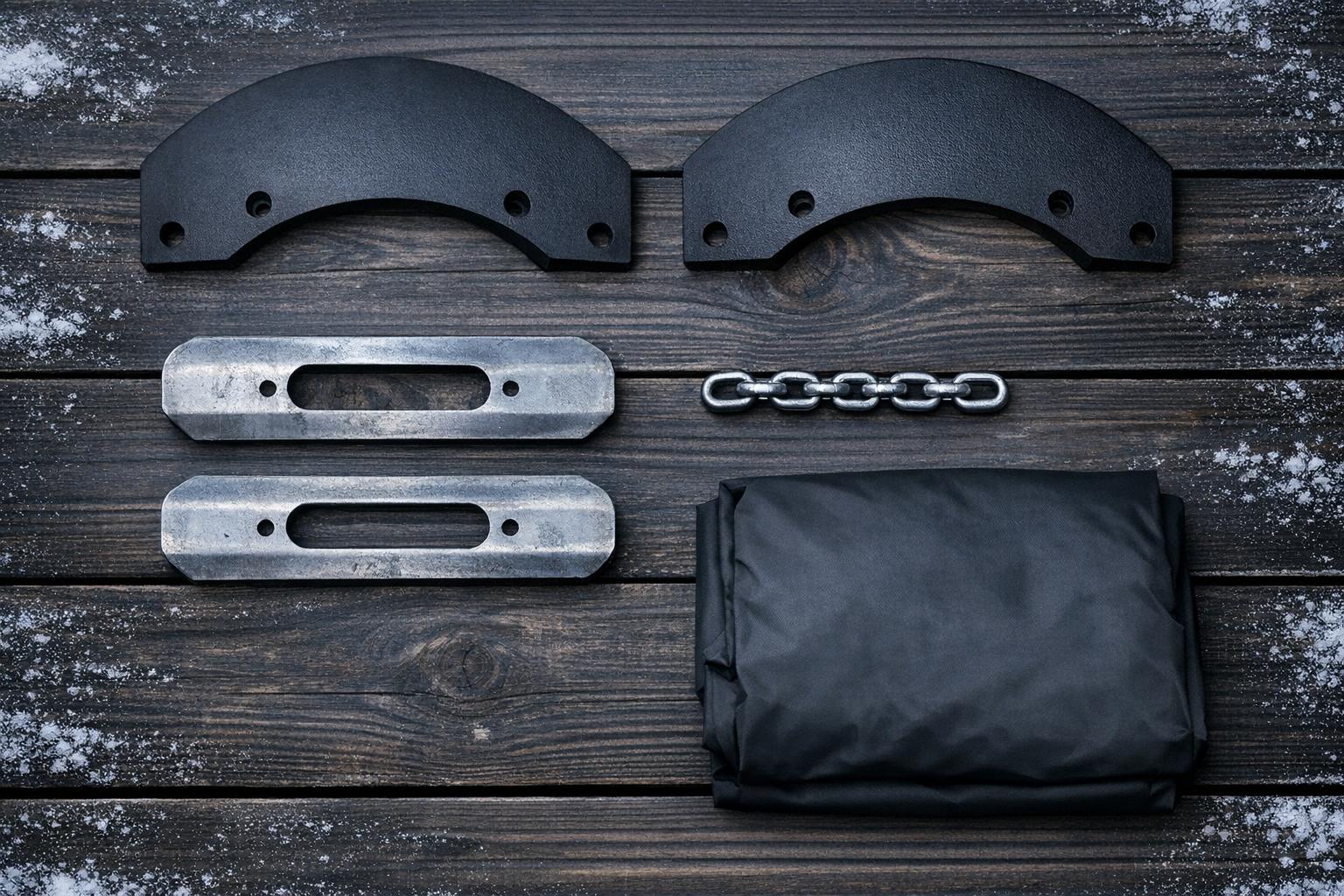
November is the month the equipment gets checked, not the month it gets used. Preparing before the first snowfall is ordinary household maintenance rather than an emergency, and doing it calmly in a dry garage is considerably more pleasant than discovering a problem at six in the morning in a blizzard. This checklist covers the machine, the surfaces it will work on, and the supplies that are easier to buy now than later.
Start the machine before you need it
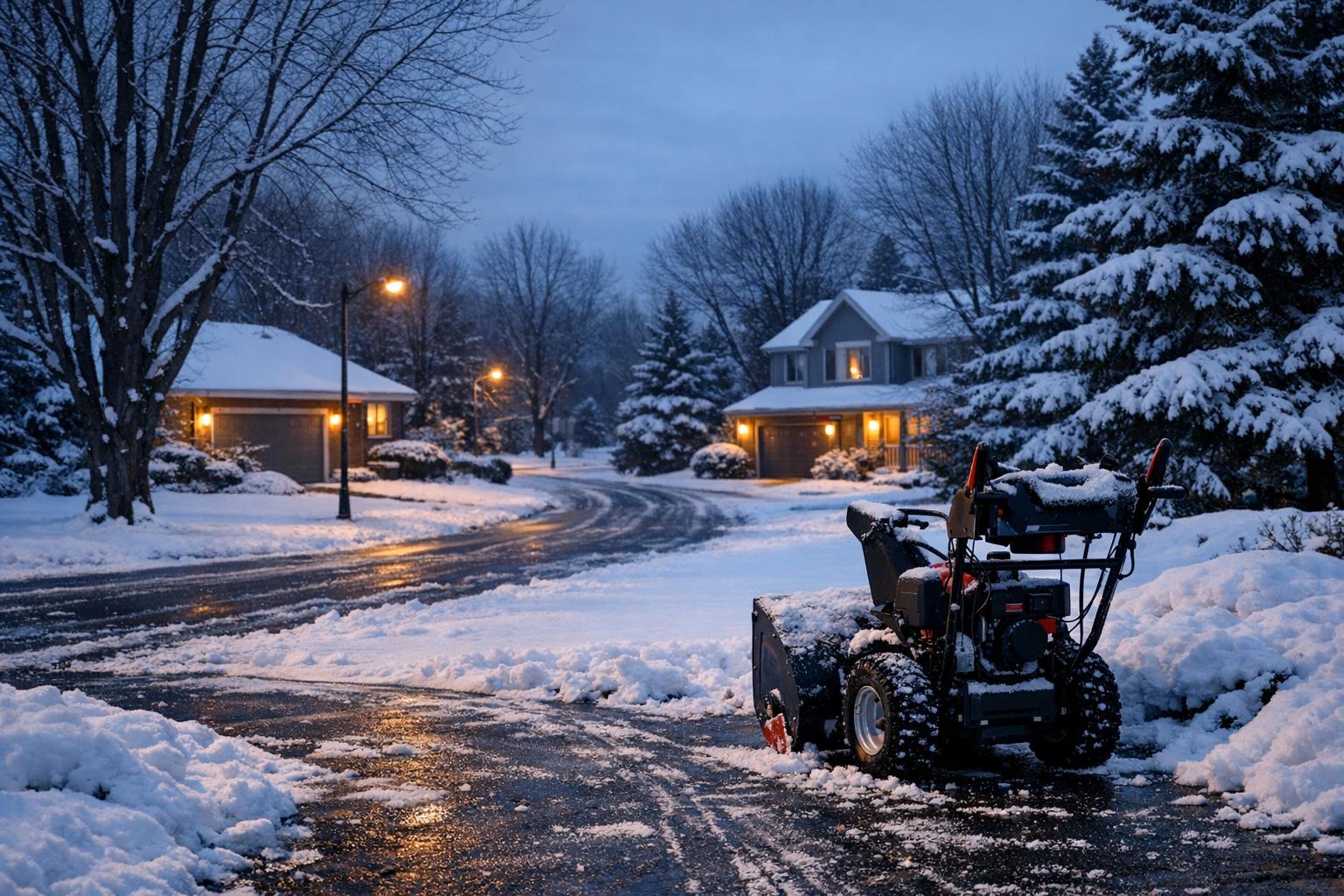
The single most useful thing you can do in November is start the machine and let it run. A gas engine that has sat since March will tell you immediately whether the fuel system survived storage. A battery machine will tell you whether the packs still hold a useful charge. Either way, you learn it on a dry afternoon rather than during a storm.
If a gas engine will not start or runs roughly, that is a service conversation with a dealer, not a roadside repair. Book it in November when dealers have capacity; in January they will not.
Work through the manual's pre-season list
Every operator manual has a pre-season section, and it is specific to your machine. Typically it covers oil level and condition, fuel system, spark plug, belt condition, shear pin condition, tyre pressure and control cable adjustment. Follow that list rather than a generic one, and do not attempt repairs beyond the routine items the manual assigns to the owner.
The maintenance basics explains the routine items most owners can reasonably handle and the point at which a dealer should take over.
Check the wear parts
Shear pins, skid shoes and the scraper bar are consumables. Shear pins are designed to break to protect the gearbox, so having the correct spares on hand is basic preparation, not paranoia. Skid shoes wear asymmetrically depending on your surface and are cheap to replace.
Buy the correct part numbers from the manual. Similar-looking hardware from a general fastener aisle is not a substitute for a specified shear pin - see the parts and accessories guide for what is worth keeping in stock.
Prepare the surfaces, not just the machine
Walk the driveway and the paths before the snow hides them. Mark the edges with driveway markers so you can see where the surface ends once everything is white. Note and remove anything that could be drawn into the auger: extension cords, hoses, doormats, newspapers, landscape stone, dog toys.
On gravel, set the skid shoes for the season now. That adjustment is covered in the gravel and paved surfaces guide.
Supplies and storage
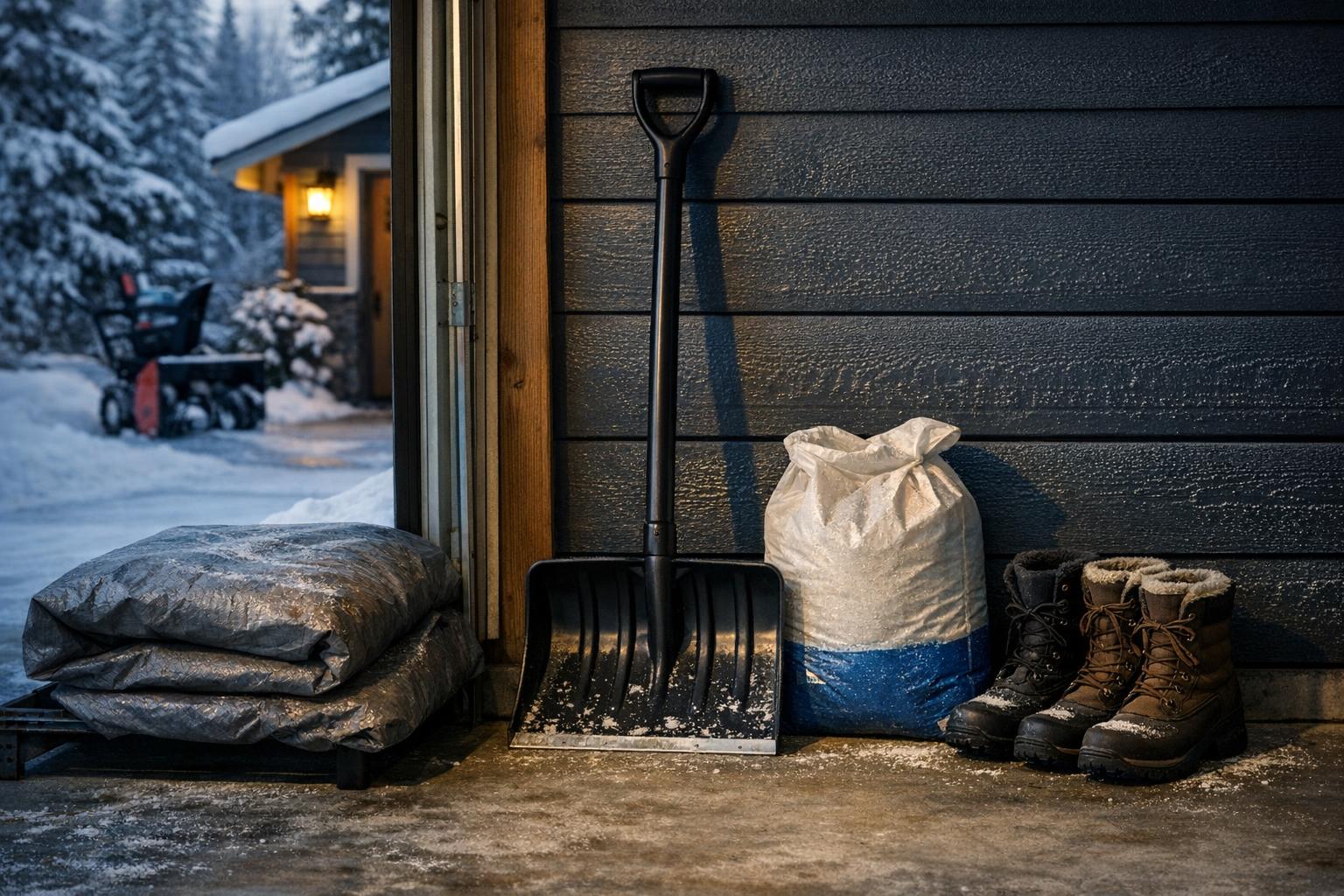
Fuel, stabiliser, spare shear pins and a working clean-out tool are all easier to buy in November. If you run a battery machine, confirm the charger works and that packs are stored at the temperature the manufacturer specifies. Cold storage of batteries has documented effects on both charging behaviour and pack life.
Keep the clean-out tool attached to the machine where the manufacturer mounted it. It is the tool that prevents the most serious injury this equipment causes.
Plan the snow, not just the machine
Preparation extends past the equipment. Decide before the first storm where the snow is going to go: a pile that blocks a sightline at the end of the driveway, buries a gas meter or a heat pump, or sits where meltwater will run back across the surface and refreeze creates a problem that lasts all winter. Walk the property and pick the pile locations now, while you can still see the ground.
Think about the sequence too. Clearing outward from the garage door means you are not throwing snow onto ground you have already cleared, and working with the prevailing wind rather than against it saves both effort and a face full of snow. These are small decisions that compound over twenty snowfalls.
Chute direction and deflector angle are the tools for executing that plan - see the throw distance and chute control guide.
A note on urgency
Preparation is not a reason to rush a purchase. If you are buying this season, buy on the basis of your measured surface and documented specifications, using the clearing-width guide and the comparisons linked from it. Equipment bought in a panic during the first storm is rarely the right equipment.
Review the safety essentials before the first use of the season, whether the machine is new or has been in the family for a decade. Never clear a clogged chute or auger housing with your hands. Shut the machine off, remove the key or battery pack, wait for every moving part to stop, and use the clean-out tool supplied with the machine.