The stage count is a description of mechanism, not a quality ranking. A single-stage machine uses one rubber-edged auger to both gather snow and throw it; a two-stage machine separates those jobs between a steel auger and an impeller. That one design difference determines which surfaces each machine can work on, how much depth it can take, and how it behaves against the dense ridge a plough leaves at the end of a driveway.
How a single-stage machine works
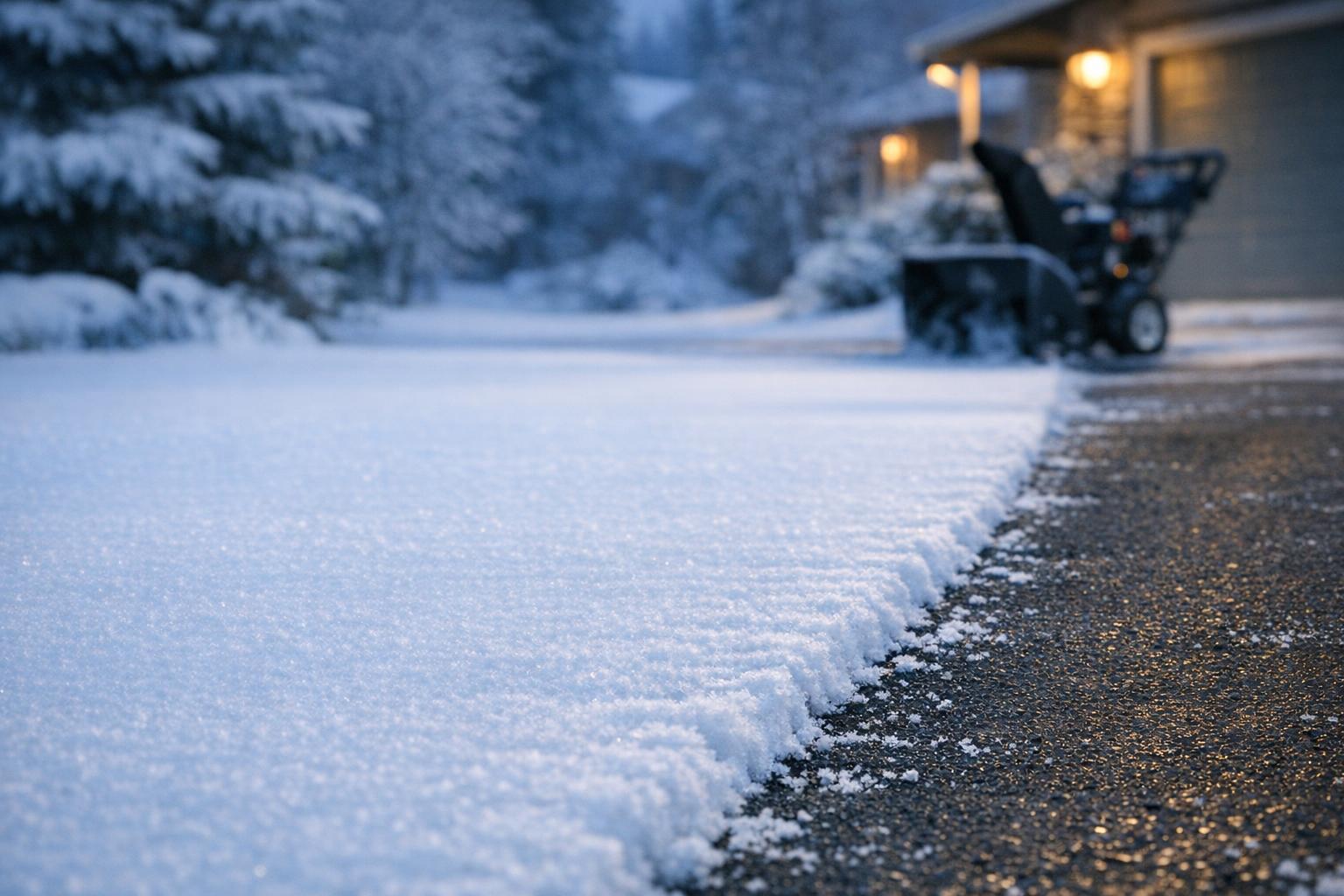
A single-stage machine has one auger, usually rubber or polymer edged, which contacts the surface as it turns. That contact is what propels the machine forward and what scrapes the surface clean. The same auger throws the snow out of the chute, so gathering and discharge are a single action.
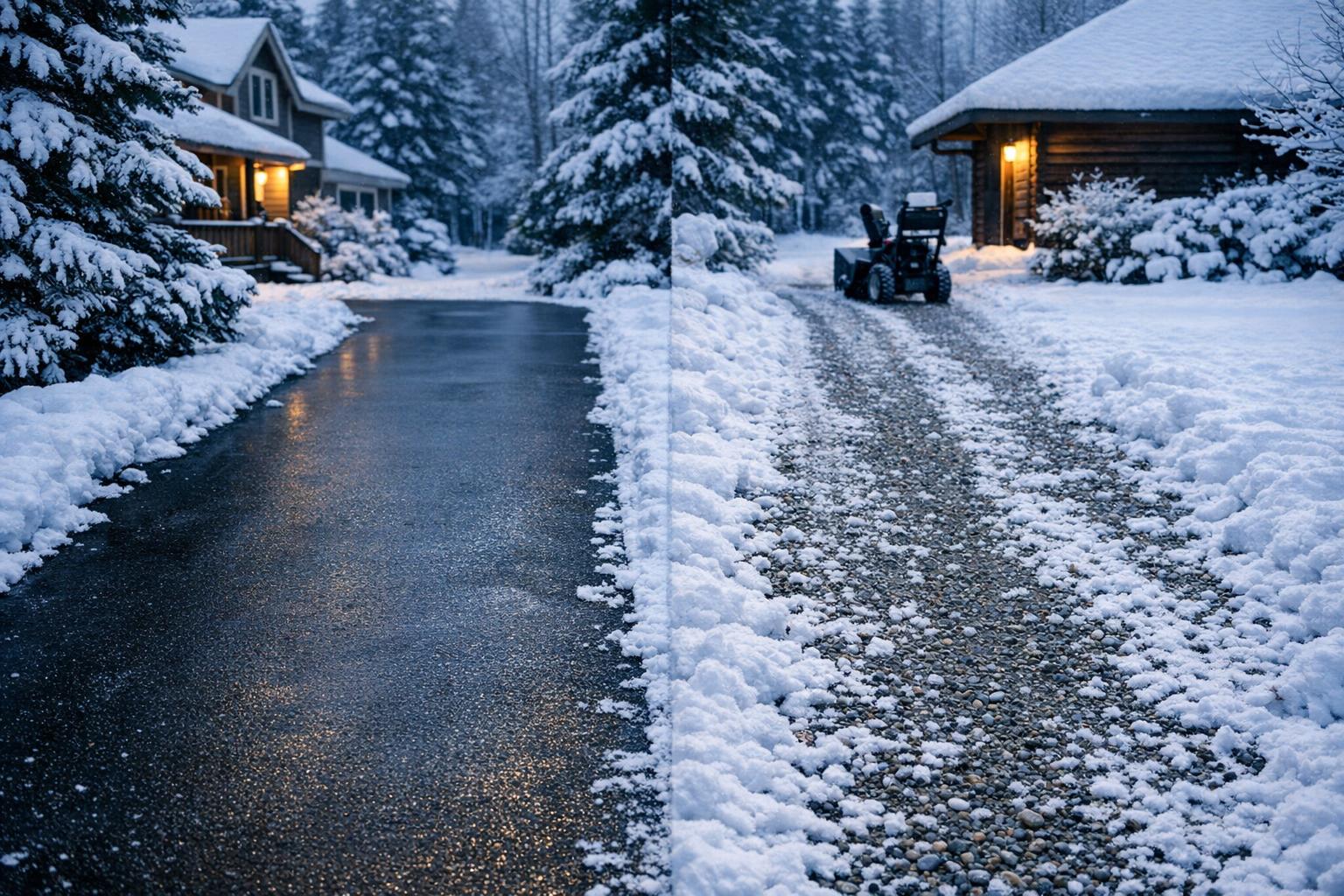
The surface contact is both the strength and the constraint. On a smooth paved driveway it scrapes close and leaves very little behind. On gravel, that same contact picks up stones and throws them, which is why manufacturers restrict these machines to paved surfaces - a restriction explained further in the gravel and paved surfaces guide.
How a two-stage machine works
A two-stage machine uses a serrated steel auger that does not touch the surface, riding above it on adjustable skid shoes. The auger breaks up snow and feeds it rearward to a separate high-speed impeller, which does the throwing. Separating the two jobs is what lets a two-stage machine take deeper, denser material without bogging down.
Because the auger is held clear of the surface, a two-stage machine is suitable for gravel, chip seal and uneven surfaces. The tradeoff is that it leaves a thin layer of snow behind by design.
Snow depth and density
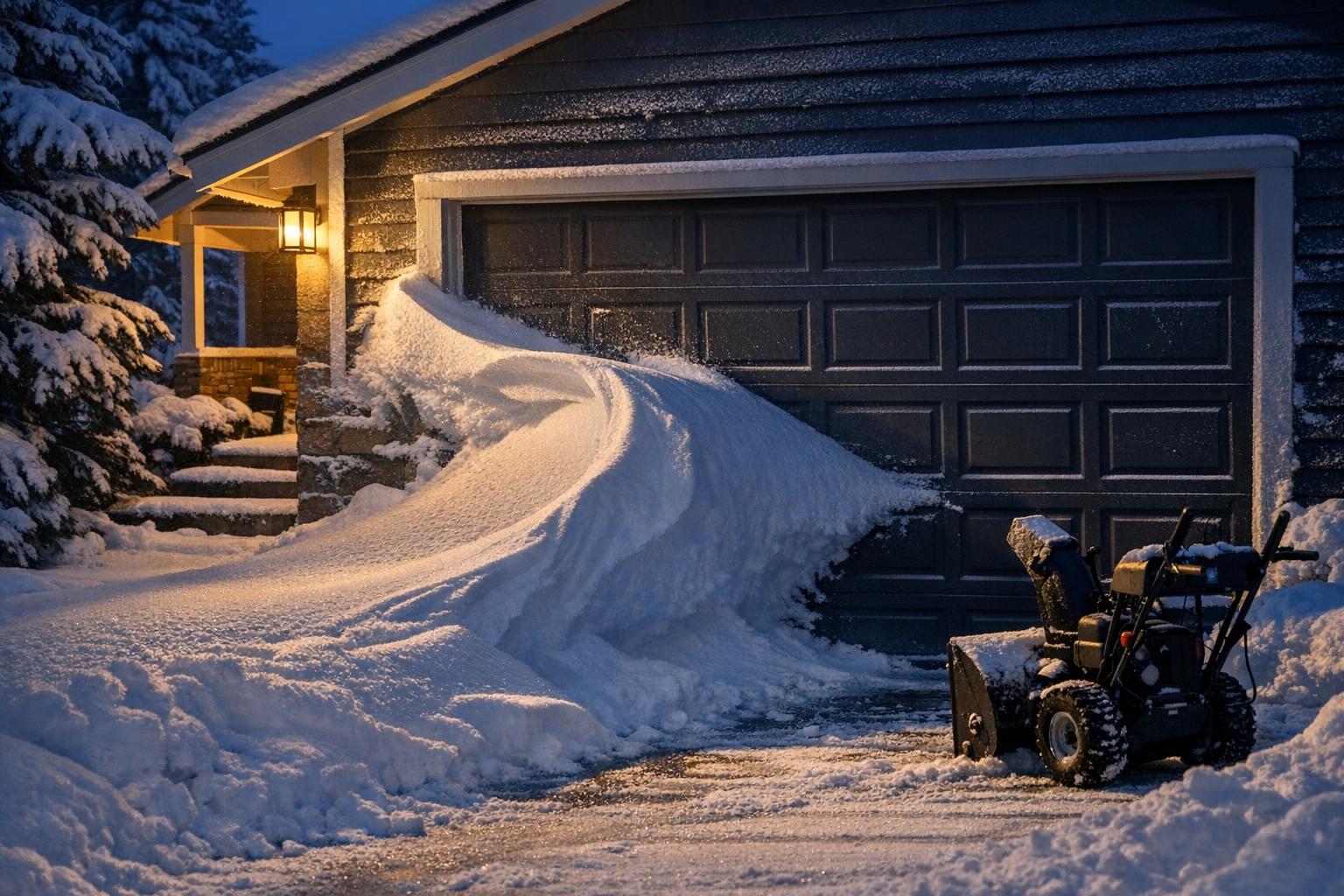
Single-stage machines are designed for moderate depths of relatively light snow on paved surfaces. Depth beyond their design range, or the heavy wet snow that follows a temperature swing, will slow or stall them. Two-stage machines handle greater depth and denser material, which is why they dominate regions with sustained heavy winters.
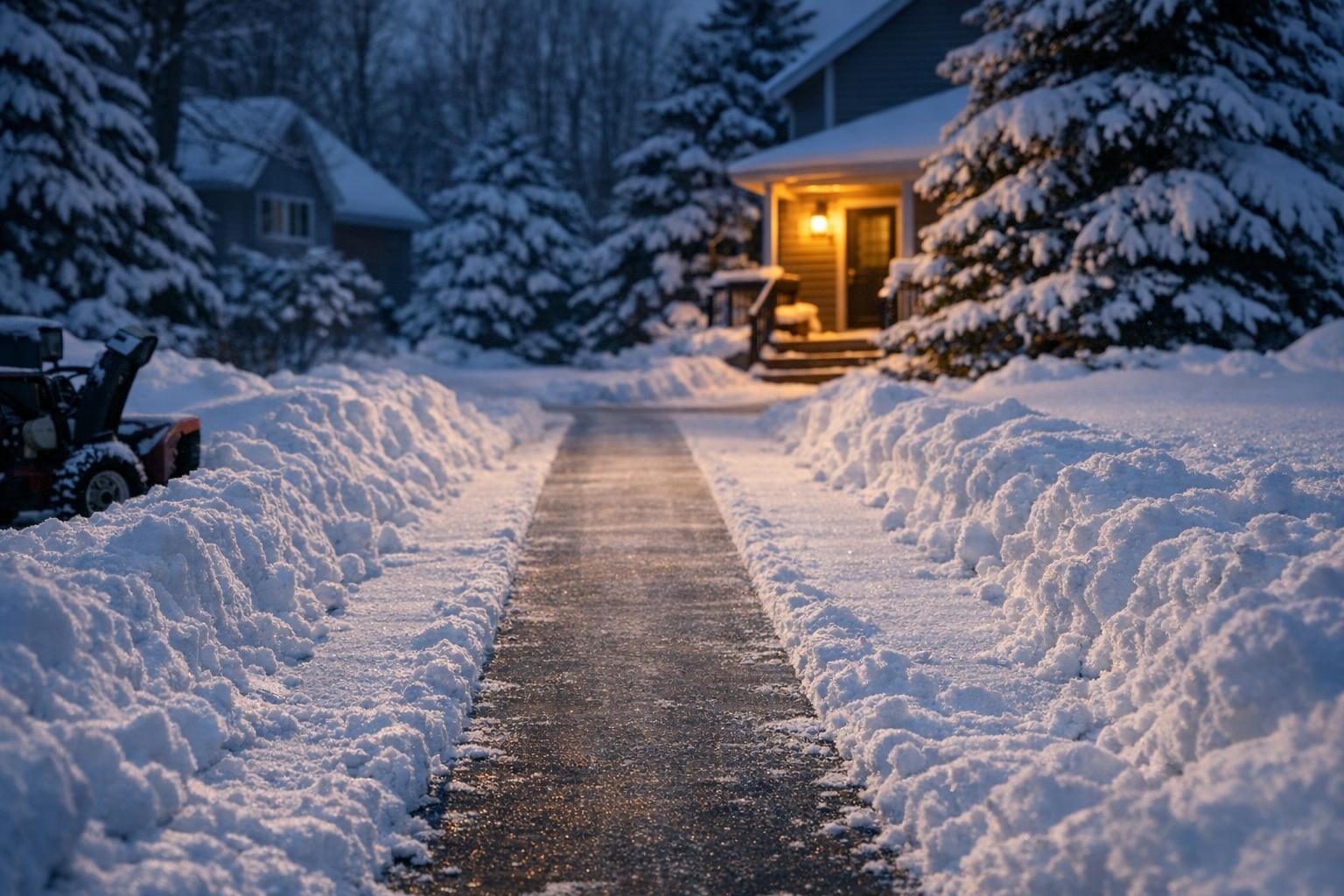
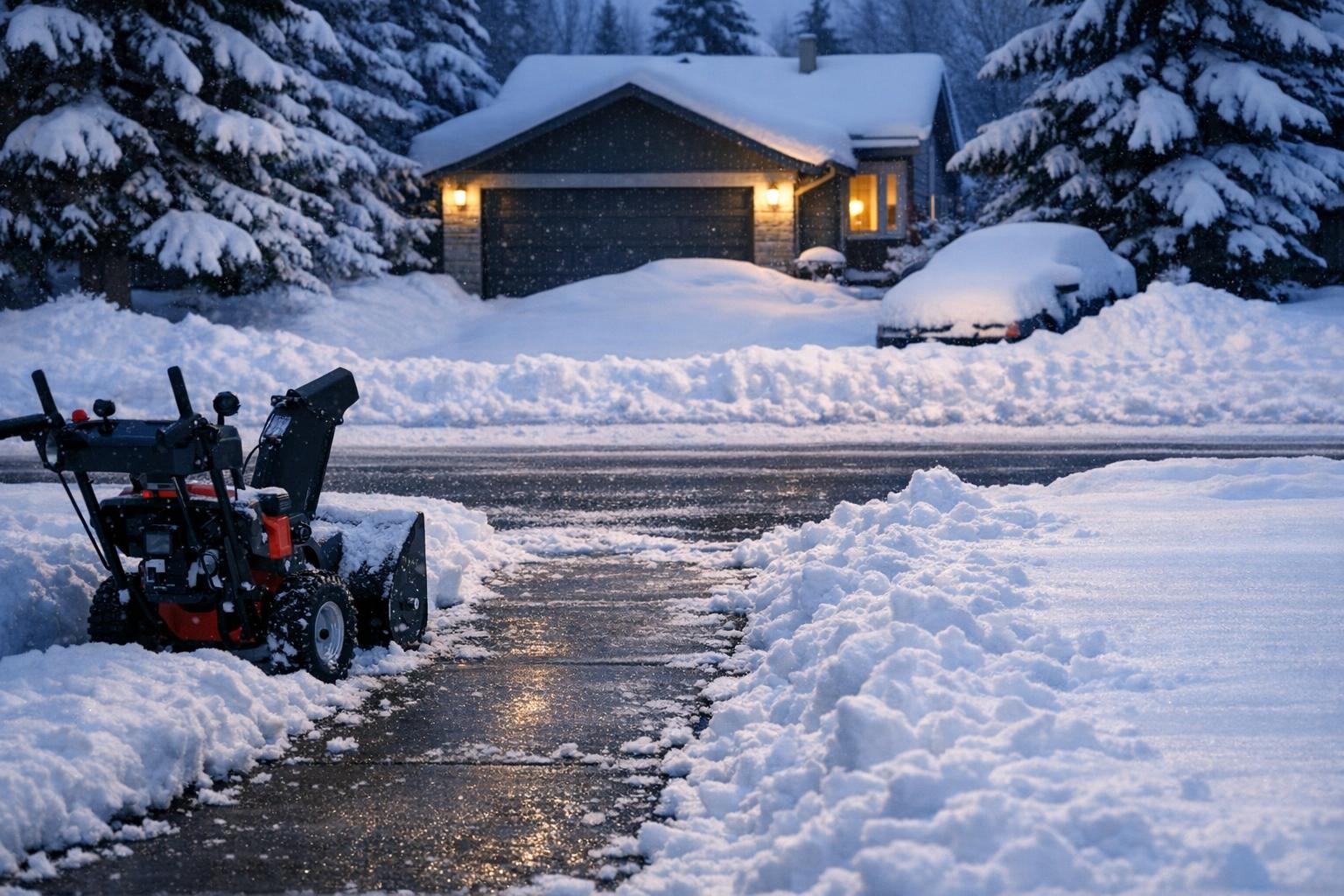
The hardest material either machine faces is the compacted ridge a street plough leaves across the end of the driveway. That ridge is dense, often partly frozen, and it is where intake height and stage count matter most.
Weight, storage and handling
Single-stage machines are lighter, narrower and easier to store and manoeuvre. Many are light enough to lift onto a shelf. Two-stage machines are substantially heavier, usually self-propelled out of necessity, and need real floor space for eight months of the year.
If your surface and snowfall genuinely suit a single-stage machine, its lower weight and smaller footprint are real advantages rather than compromises. Match the machine to the job, not to the largest option available.
Three-stage machines
Some listings describe a three-stage design, which adds an accelerator between the auger and the impeller to feed material faster. It is a variation on the two-stage principle rather than a separate category, and it is found at the heavy end of the market. The surface and depth guidance for two-stage machines applies.
Whatever the stage count, the auger is the part that will injure you. It can retain stored energy and turn after the engine or motor stops. Never clear a clogged chute or auger housing with your hands. Shut the machine off, remove the key or battery pack, wait for every moving part to stop, and use the clean-out tool supplied with the machine.
Cost, longevity and what you are really buying
Two-stage machines cost more and are built heavier, with steel augers, gearboxes and drive systems that single-stage machines do not have. That extra hardware is what buys the depth capability and the gravel tolerance, and it is also what makes them heavier to move and more expensive to service. Buying one for a small paved driveway in a mild climate means paying for capability and storing bulk you will not use.
Longevity follows the same logic. A two-stage machine used within its design range in a genuinely snowy region tends to last a very long time with routine care. A single-stage machine worked past its design range on the wrong surface will wear its auger quickly and may throw stone while doing it. Matching machine to job is the durability strategy.
Either way, the consumable parts are inexpensive and worth stocking before the season - see the parts and accessories guide.
Deciding between them
Paved driveway, moderate snowfall, limited storage: a single-stage machine may be entirely sufficient and easier to live with. Gravel or uneven surface, deep or wet snow, plough ridges, or a driveway long enough that stalling would be a real problem: two-stage. Once you have chosen two-stage, size it with the clearing-width guide.
Our comparisons focus on two-stage listings because that is where most buyers with real snowfall end up. Browse the full catalog for single-stage listings and accessories.